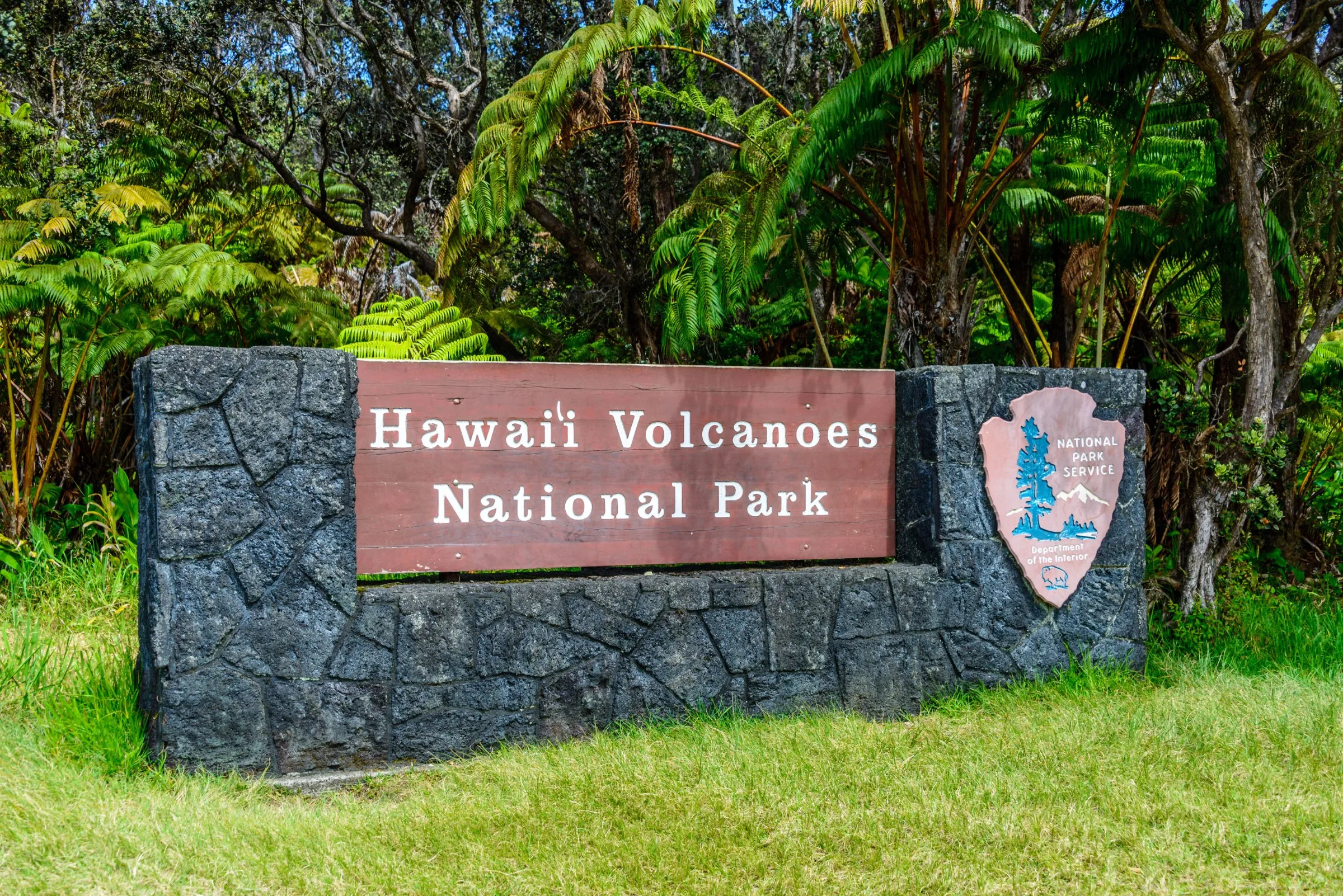
Hawaii Volcanoes National Park is a place that messes with your sense of scale. You're standing on the rim of Kīlauea Caldera, looking across a mile-wide crater with steam rising from vents, and it hits you. This is an active volcano, and you're on it. The Big Island has a lot of incredible experiences, but this is the one that makes you feel small.
The park sits on the southeast side of the island, about 2.5 hours from Kona and 45 minutes from Hilo. Whether you drive yourself or take a guided tour changes the experience dramatically, and there are more tour options than most visitors realize.
Guided Tour vs. Self-Driving: An Honest Comparison
This is the first decision, and it matters more than you think.
Self-Driving
You set your own pace, stop where you want, and skip what doesn't interest you. The park has well-marked roads, a solid visitor center, and enough interpretive signs to navigate without a guide. Gas up in Volcano Village before entering because there's no gas inside the park.
The downside: you'll miss the stories. A lot of what makes this place extraordinary isn't visible from the road. The geology, the Hawaiian cultural significance, the eruption history: a guidebook gives you facts, but a good guide gives you context that changes what you're seeing. You'll also spend 5+ hours driving round-trip from Kona, which is exhausting if you're doing it yourself.
Guided Tours
A guide handles all the driving, knows exactly where to stop, and fills the transit time with context about the island. The Grand Circle Island Tour is the most popular option. It covers the volcano plus multiple stops around the island (waterfalls, black sand beach, coffee farms), making a full day of the long drive.
The trade-off: you're on someone else's schedule. You get 15-20 minutes at each stop instead of an hour. If you're the type who wants to sit on a lava field and absorb the silence for 45 minutes, a group tour will frustrate you.
My take: First-timers staying in Kona should do a guided circle island tour. The drive is long, the guide makes it worthwhile, and you see multiple highlights in one day. Repeat visitors or anyone staying near Hilo should self-drive and spend a full day in the park.
Circle Island Tours vs. Focused Volcano Tours
These are fundamentally different experiences, and the names can be confusing.
Circle Island Tours (Full Day, 10-12 Hours)
These loop around the entire Big Island with multiple stops. The volcano is the centerpiece, but you'll also hit Rainbow Falls in Hilo, Punalu'u Black Sand Beach (where green sea turtles haul out), and usually a macadamia nut or coffee farm. Some include Akaka Falls on the Hamakua Coast.
You typically spend 1.5-2 hours in the national park, enough to see Kīlauea Caldera, walk through Thurston Lava Tube, and hit the main overlooks, but not enough to hike the trails.
Best for: Visitors with limited time who want to see the whole island in one day. The Grand Circle Island Tour is the top-rated option in this category.
Focused Volcano Tours (Half Day, 5-8 Hours)
These go directly to the park and spend the bulk of time inside it. You'll do actual hikes like Kīlauea Iki Crater, Devastation Trail, and sometimes Chain of Craters Road down to the coast. Guided hikes like the Kīlauea & Lava Tube hiking adventure spend 4-5 hours in the park with a geologist or naturalist guide.
Best for: Hikers, geology nerds, repeat visitors who've already seen the "overview" and want to go deeper. Browse all volcano tours to compare.
E-Bike Tours Through the Park
This is the option most visitors don't know about, and it's fantastic. Volcano Ohana's fat-tire e-bike tours take you along Crater Rim Drive and through the park on electric bikes, covering way more ground than walking while still being immersive. The pedal-assist means you don't need to be in great shape because the motor does the climbing.
The 3-hour tour covers the main highlights. There's also a 5-hour version for cruise passengers that adds extra stops. Both include a guide who explains the geology and ecology as you ride.
E-bike tours are great for people who find the car tour too passive but aren't up for a serious hike. You're outdoors, moving through the landscape, feeling the temperature changes as steam vents pass, and smelling the sulfur, none of which you get from a van window.
Guided Volcano Hikes
If you want to really understand this place, hike it. The park has over 150 miles of trails, but these are the ones worth doing with a guide:
Kīlauea Iki Crater Trail
The signature hike. You descend 400 feet through a rainforest into a solidified lava lake, the floor of a crater that held bubbling lava in 1959. The trail crosses the hardened lake with steam rising through cracks, and you can feel the heat through your shoes in some spots. Four miles round-trip, 2-3 hours. Moderate difficulty. This is the hike that makes people fall in love with geology.
Thurston Lava Tube
Nāhuku (Thurston Lava Tube) is a short walk through a 500-year-old lava tube in the middle of a tree fern forest. It takes 20 minutes and is fully paved, making it perfect for families. Every guided tour stops here.
Chain of Craters Road to the Coast
Chain of Craters Road descends 3,700 feet in 19 miles, passing ancient petroglyphs and multiple lava flows before ending abruptly where lava buried the road. The Hōlei Sea Arch at the end is dramatic. You need 2-3 hours to drive this properly with stops, and most circle island tours skip it entirely, which is why a focused volcano tour or self-drive is better if you care about this part.
Twilight and Sunset Volcano Tours
The park changes at dusk. Halema'uma'u Crater's glow becomes visible against the darkening sky, and if there's active lava (check current conditions at the visitor center), the orange light reflecting off the steam plume is otherworldly.
Evening volcano tours time the visit so you're at the caldera rim around sunset. The daytime views are impressive, but watching that glow intensify as the sky goes dark is a completely different emotional experience. These tours usually depart mid-afternoon and return late.
What to Wear and Bring
The park sits at 4,000 feet elevation, and the weather is nothing like the resort areas. Even on a sunny Kona day, the volcano can be cool, rainy, and foggy.
- Layers: A light rain jacket is essential. Temperature drops 15-20°F from the coast. Mornings can be in the low 50s.
- Closed-toe shoes: Lava rock is jagged and will destroy sandals (and your feet). Hiking shoes or sturdy sneakers.
- Water and snacks: Limited food options in the park. Bring at least a liter of water per person.
- Binoculars: Helpful for spotting nēnē (Hawaiian geese) and distant volcanic features.
If you're on a guided tour, the operator will remind you of all this, but plenty of people still show up in flip-flops and a tank top and spend the whole visit shivering.
Best Time to Visit
Time of day: Morning arrives with fewer crowds and often clearer skies. By early afternoon, clouds and fog roll in regularly. If you're self-driving, start early. If you want the glow at the crater, go late afternoon through sunset.
Season: The park is open year-round. Winter (December-February) is rainier but has fewer crowds. Summer has the most visitors. The best months are April-May and September-October for good weather, reasonable crowds, and comfortable temperatures.
Current eruption status: Kīlauea goes through active and quiet phases. Check the USGS Hawaiian Volcano Observatory website before your visit. An active eruption adds a spectacular lava glow but doesn't change safety for tourists since the viewing areas are well away from any flows.
Beyond the Volcano: What Circle Island Tours Include
If you're doing a full circle island tour, here's what you'll typically see beyond the park:
- Rainbow Falls in Hilo, an 80-foot waterfall visible from a parking lot overlook. Quick stop but gorgeous, especially in morning light.
- Punalu'u Black Sand Beach, with jet-black sand made from pulverized lava rock, and one of the best spots to see Hawaiian green sea turtles basking on shore.
- Akaka Falls, a 442-foot waterfall along the Hamakua Coast. Short paved trail through tropical jungle. Not all tours include this stop.
- Coffee or macadamia nut farms. The Kona coffee belt produces some of the world's best coffee, and most tours stop at a farm for samples and shopping.
Getting There: From Kona vs. From Hilo
From Kona: 96 miles, 2-2.5 hours via Saddle Road (Highway 200) or the southern route through South Point. Most tours take Saddle Road going and the southern route returning (or vice versa) to see different scenery each way.
From Hilo: 30 miles, 45 minutes via Highway 11. Much easier logistics, which is why staying a night in Hilo or Volcano Village is smart if you want to explore the park thoroughly.
Accessibility and Physical Requirements
The park is surprisingly accessible. The main overlooks along Crater Rim Drive are wheelchair-accessible with paved paths. Thurston Lava Tube is paved and accessible. The Devastation Trail is a flat boardwalk.
The Kīlauea Iki trail is not accessible. It's a 400-foot descent/ascent on uneven lava rock. Chain of Craters Road involves mostly driving with short walks at viewpoints. The e-bike tours are a great middle ground for people who can ride a bike but don't want a strenuous hike.
Frequently Asked Questions
Is the volcano dangerous?
Not to visitors at established viewpoints and trails. The park service closes areas near active eruptions. The biggest actual risks are rolled ankles on lava rock and dehydration. Sulfur dioxide near the caldera can irritate lungs. If you have asthma, carry your inhaler.
Can I see lava?
It depends on eruption status. When Kīlauea is actively erupting (it goes through cycles), you can see glowing lava from designated overlooks, especially at night. When it's quiet, you'll see steam vents, the caldera, and solidified lava flows but no liquid lava. Check current conditions before your visit.
Is a guided tour worth the money?
From Kona, absolutely. The long drive alone justifies having someone else behind the wheel. From Hilo, it's less essential unless you want expert commentary. The guided hike option adds significant value because the guide explains geological features you'd walk right past on your own.
What's the park entrance fee?
$30 per vehicle, valid for 7 days. The America the Beautiful annual pass ($80) covers this and all national parks. Most guided tours include the entrance fee.
How much time do I need in the park?
Minimum: 2 hours (main overlooks, Thurston Lava Tube, visitor center). Ideal: 4-6 hours (add Kīlauea Iki hike and Chain of Craters Road). Full day: 8+ hours if you want to hike multiple trails and catch the sunset glow.
What else should I do nearby?
The town of Volcano Village has excellent restaurants and B&Bs. Hilo is worth a half-day for Hilo Farmers Market and the Hawaii Tropical Bioreserve. See our guide to the 15 best Big Island tours and activities for more ideas.